News for the Week (1/25/2019)

Carbon Capture System Turns CO2 into Electricity and Hydrogen

Scientist at Ulsan National Institute of Science and Technology (UNIST) and at Georgia Tech have developed and successfully tested a new type of carbon capture system. The system reacts carbon dioxide (CO2) with sodium (Na) to produce electricity, hydrogen fuel, and baking soda. The reaction runs at 50% efficiency and was tested at 1,000 hours without any damage to the electrodes. (Link)
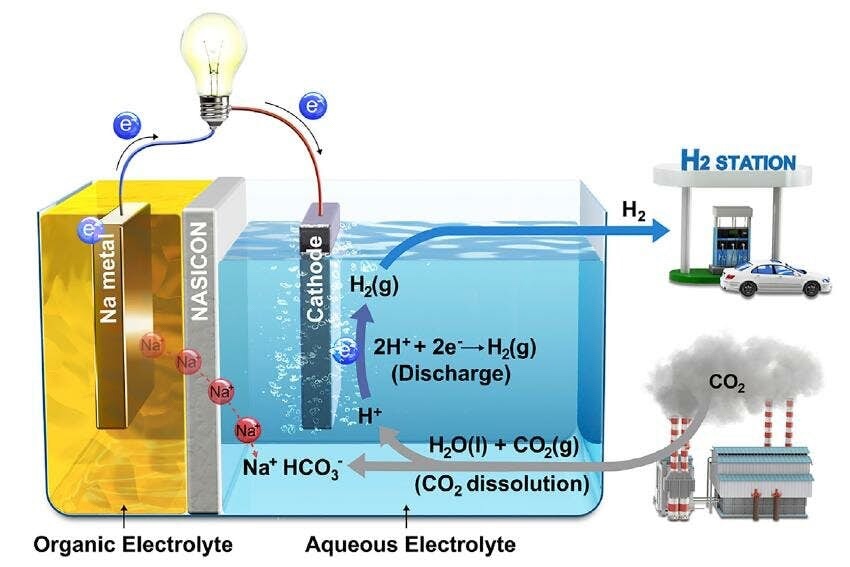
Image Credit: UNIST

Vancouver Declares Climate Change an Emergency

The Vancouver city council passed a motion to declare a state of emergency in regards to climate change. City staff will set targets and work on ways to reduce greenhouse gas emissions. (Link)

Image Credit: Tourism Vancouver

News for the Week is posted every Friday. Click here to read last week’s news. To sign up for a weekly mailing list, click here.

News for the Week (1/18/2019)

Google’s Data Centers will Run on 100% Carbon Free Energy

Google is building new data centers in Tennessee and Alabama and wants them to run on 100% renewable energy. In order to accomplish this, Google will purchase solar energy output from nearby solar farms from 1.6 million solar panels. (Link)

Image Credit: Google

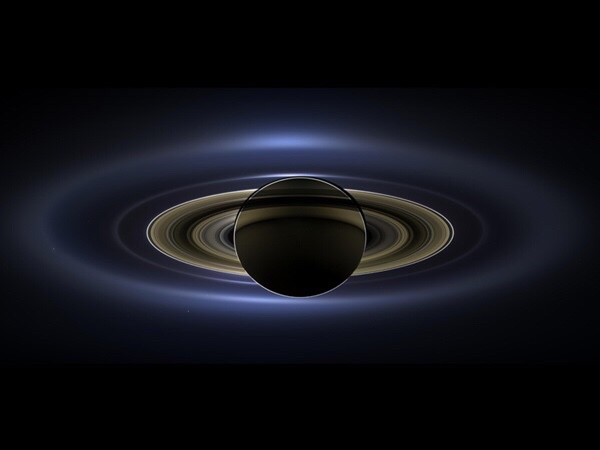
Saturn’s Rings Are Young

NASA’s Cassini spacecraft plunged between Saturn and its rings and collected data on the age of its rings. Scientists determined that the rings formed 100 million years ago. While this may seem like a long time ago, both dinosaurs and mammals were on the Earth when Saturn’s rings formed. For reference, the Earth is about 4.5 billion years old. This means Saturn has had these rings for only 2% of the Earth’s lifespan. (Link)

Image Credit: NASA/JPL

Book Sales are Up, as are Physical Book Sales

In the UK and the United States, book sales are rising. In the US, physical book sales have increased every year since 2013. (Link)

Image Credit: Reuters

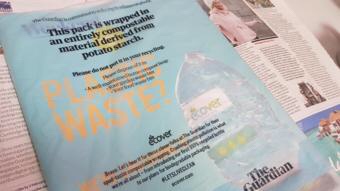
Guardian Newspaper Wrappings to be Made from Potato Starch

The Guardian will now wrap its newspapers in material made from potato starch, instead of polyethylene. These new wrappings are compostable and will biodegrade. There are plans to roll this out in all of the UK in the coming months. (Link)

Image Credit: BBC

News for the Week is posted every Friday. Click here to read last week’s news. To sign up for a weekly mailing list, click here.

News for the Week (1/11/2019)

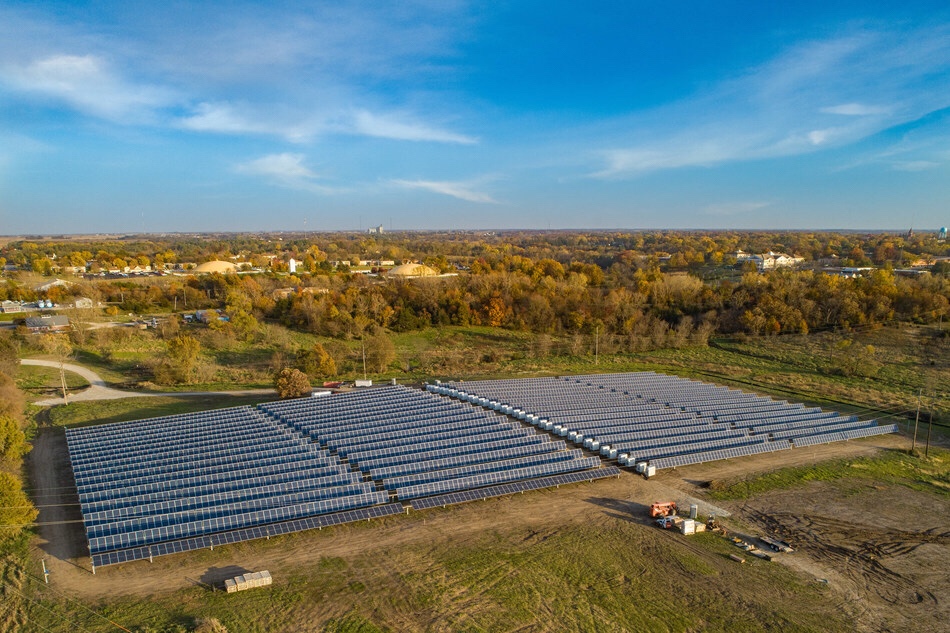
Solar Power Plant With Energy Storage Goes Live in Iowa

A new solar power plant with energy storage went online in Fairfield, Iowa at the Maharishi University of Management. The system uses sun-tracking solar panels and vanadium-flow battery energy storage. The plant is the first of its kind in the Midwest and one of the most advanced installations in the country. (Link)

Image Credit: PR Newswire

Former CEO of Insys Pleads Guilty to Bribing Doctors to Prescribe Opioids

The former CEO of Insys Pharmaceuticals, Michael Babich, pleaded guilty to participating in a nationwide scheme to bribe doctors to prescribe opioid medications by paying them kickbacks in the form of fees to participate in speaking programs. The opioid crisis is now claiming more lives per year than cigarettes. The situation is being made worse by the overprescribing of these dangerous, FDA-approved drugs by some doctors. (Link)

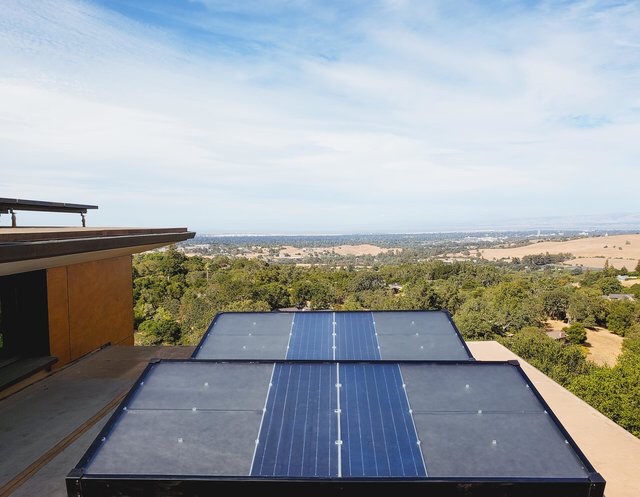
New Solar Panel Pulls Clean Drinking Water Out of the Air

The startup, Zero Mass Water, is making solar panels that generate clean drinking water from moisture in the air. The startup is backed by $1 billion from a fund ran by Bill Gates and Jeff Bezos. The technology could go a long ways towards improving the global water crisis, in which more than 2 billion people don’t have access to safe and clean water. (Link)

Image Credit: Zero Mass Water

News for the Week is posted every Friday. Click here to read last week’s news.

News for the Week (1/4/2019)

China Lands a Probe on the Far Side of the Moon

China’s Chang’e 4 mission successfully landed a probe on the far side of the Moon on Thursday. The robotic lander will study the surface and subsurface and determine the composition of the South Pole – Aitken basin; a giant dent on the far side of the Moon of mysterious origin that happens to be the largest basin in the solar system. Landing on the far side of the Moon is a first for humanity as all previous missions have gone to the near side. (Link)

spa basinImage Credit: EPA/CNSA

The Hole in the Ozone Layer Should Heal Within Our Lifetimes

A recent UN report has determined that the hole in the ozone layer over Antarctica is healing up nicely and could be back to “pre-hole” conditions with 40 years. The ozone hole was created by the release of manmade chemicals into the atmosphere, especially chlorofluorocarbons (CFCs). After scientists identified the problematic chemicals, policy makers took action and passed the Montreal Protocol, curtailing the use of ozone-depleting chemicals. (Link)

China Builds a Giant Air Purifier to Tackle Smog

An experimental tower was built in China and has demonstrated that it can improve air quality over an area of more than 3 square miles. The 328 foot tall tower is the world’s largest air purifier. Air is driven through the tower by heating it up with sunlight. It requires very little power to function. (Link)

China Air Purifier.jpgImage Credit: VCG/Getty Images

News for the Week is posted every Friday. Click here to read last week’s news.